Commercial optimization for supply chains and balance sheets
Decisions as experiments, not opinions.
When inputs and outputs trade in markets, operational decisions have measurable economic value. We help businesses capture that value by operating efficiently and adapting when opportunities arise. One tested decision at a time.
Start a conversationWhere it applies
Turn operational flexibility into margin.
Procurement, processing, storage, logistics, and sales are interconnected commercial decisions. We optimize them as one system, capturing value not only from operating efficiently but also from adapting to changing market conditions.
Impact: Potential 10–20% EBITDA improvement across large, complex supply chains.
Read the case → Asset-liability managementBalance sheets that adapt to markets.
Long-dated liabilities meet constantly changing markets and capital requirements. We dynamically optimize asset allocations and hedges to enhance returns, improve capital efficiency, and manage risk—all within regulatory and operational constraints.
Impact: Potential 40–90 bps during transition, plus 25–75 bps in recurring annual value.
Read the case →What we believe, in three lines.
Evidence over intuition
Hypotheses tested, not assumptions defended.
Experience and intuition are valuable, but neither substitutes for evidence. We turn commercial questions into testable hypotheses, quantify the alternatives, and let measurable results guide decisions.
Two sources of value
Flexibility monetized, not left on the table.
Operating efficiently captures intrinsic value. Adapting to changing market conditions captures extrinsic value—the economic optionality embedded in assets, contracts, and operating constraints. Both deserve systematic optimization.
Human expertise, augmented
Auditable decisions, not black-box automation.
Optimization models provide the rigorous foundation. AI agents connect data, systems, and workflows. Human experts define the objectives, set the boundaries, and retain control over consequential decisions.
Start small, learn fast
The biggest obstacle to better decisions is rarely technology. It’s the culture around them.
Large transformation programs often create resistance before demonstrating value. We take a different approach: identify one or two high-impact decisions, test better alternatives alongside the teams responsible, and let measurable results build momentum. Rather than replacing existing systems, we connect and augment them with optimization and AI. Each successful experiment becomes the foundation for the next.
How the loop works.
Execute · daily
Decisions supported, not left on autopilot.
AI agents orchestrate routine workflows—from portfolio rebalancing to hedging and logistics scheduling—using explicit decision rules, optimization models, and appropriate human oversight.
Improve · weekly to monthly
Decisions codified, not trapped in tribal knowledge.
Commercial expertise becomes explicit, testable policies. We evaluate alternatives, measure outcomes, and refine decision rules as markets, constraints, and business priorities evolve.
Rethink · quarterly
Assumptions challenged, not set in stone.
We periodically revisit the underlying strategies, objectives, and constraints—not just the decisions they produce. Each cycle generates new hypotheses, creating a continuous process of experimentation and improvement.
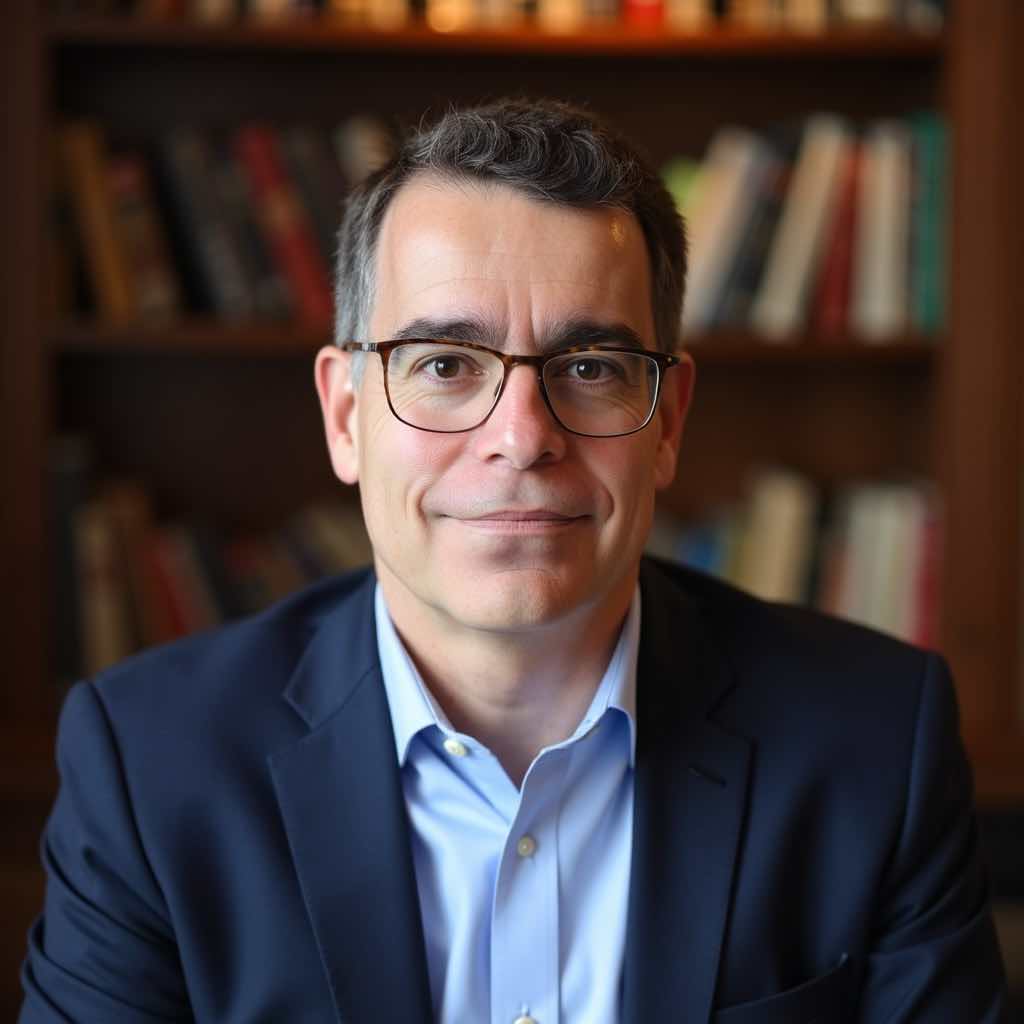
Leadership
Robin Duquette, CEO
Robin brings over 30 years of experience in global commodity markets, trading, and commercial optimization, including leadership roles at Louis Dreyfus, EDF Trading, and Merrill Lynch Commodities. At McKinsey & Company, he helped advance commercial optimization and co-led its Risk Advanced Analytics group. Through McKinsey and Pyxidr, he has advised more than 100 major organizations on improving commercial performance and risk management.
Pyxidr — from the Greek pyxida (πυξίδα), meaning compass.
Let’s test
an idea.
Have a commercial decision worth improving? Tell us about it. The best opportunities often begin with a simple question.
info@pyxidr.com